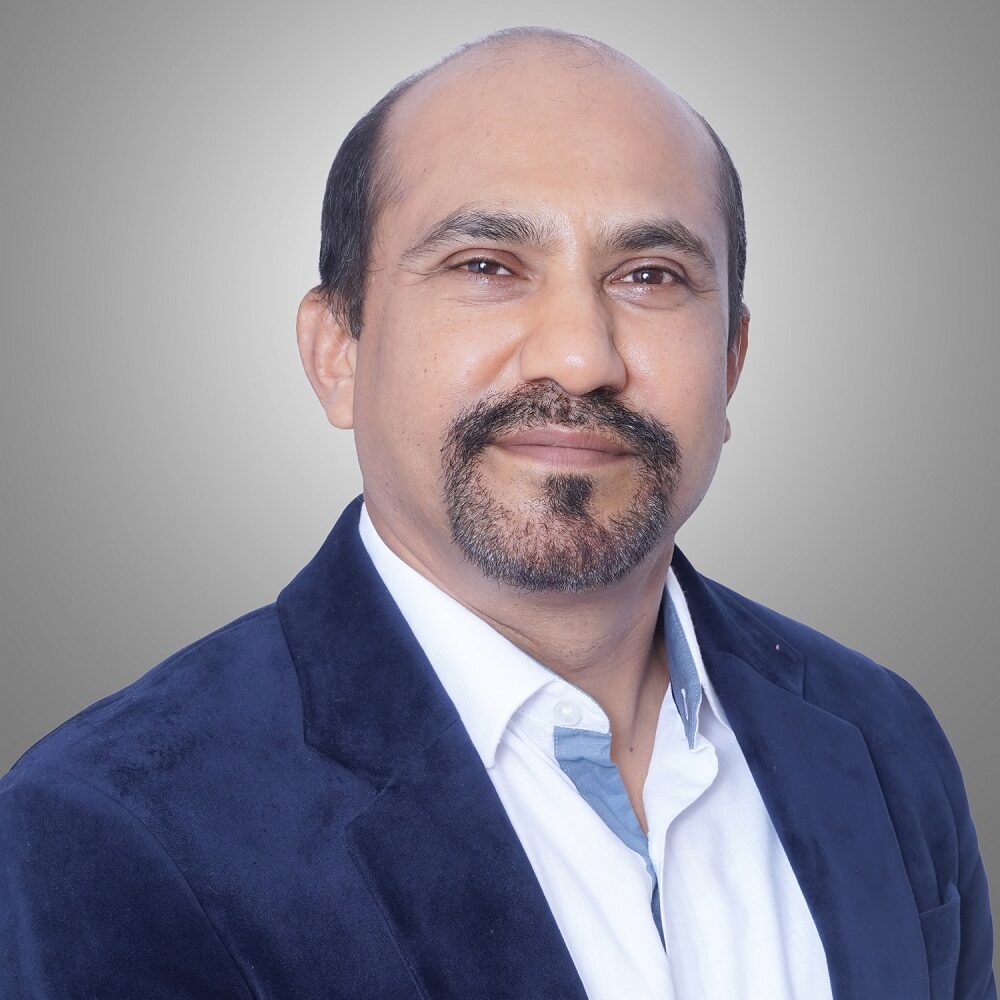
In this exclusive interview, The Business Fame sits down with Arbinda Sen, a distinguished business leader with over 28 years of proven expertise in sales, business development, and leadership across the automotive, foundry, refractory, and heat treatment industries. From building new divisions and expanding into emerging markets to leading multimillion-euro growth for global companies such as Foseco, Vesuvius, Pyrotek, and Cronite, Arbinda shares insights into his transformative journey, his philosophy of growth, and the leadership values that continue to shape his remarkable career.
- Could you please share a brief introduction about yourself and your career journey so far?
With 28+ years in sales, business development, and leadership, I’ve built and scaled businesses across the automotive, foundry, refractory and heat treatment industries. From launching new divisions and expanding into emerging markets to steering multimillion-euro growth, my journey spans roles at Foseco, Vesuvius, Pyrotek, and Cronite.
My career began at Foseco India Ltd., where I held various sales and management roles, laying the foundation in metallurgy and industrial sales. Over the years, I have taken on pivotal leadership positions including National Sales Manager (one Business Line) at Vesuvius India, Business Manager at Foseco (Non-Ferrous Division), and Head of Noise Control Division at Pyrotek India, before moving to the international stage with Pyrotek FZ Dubai. Each role highlights ability to identify new opportunities, develop markets from scratch, and deliver consistent double-digit growth.
Currently as Country Manager at Cronite India, I drive growth through OEM partnerships, global supply chain optimization, and customer-centric solutions. Recognized with multiple awards, I take pride in transforming businesses, developing high-performance teams, and building lasting client relationships.
- At Cronite India, you grew the business from €100,000 to €2 million — what was the most critical factor behind this growth?
The most critical factor behind this growth was a strategic blend of market penetration, leveraging Cronite’s international footprint and customer-centric partnership building with leading OEMs and Tier 1 suppliers ensuring repeated business and credibility in a niche market.
- How do you approach building and maintaining strong dealer networks in new and existing markets?
For me, building a strong dealer network starts with selecting the right partners who not only have market reach but also share our values of reliability and customer focus. In new markets, a careful assessment of local dynamics involving demand patterns, competitor presence and customer expectations is made and then dealers onboarded who bring credibility, growth potential and have a hunger to grow.
Maintaining these networks requires continuous engagement: joint customer visits, regular performance reviews, ensuring timely supply chain support and help in effectrively handling complaints.
This combination of empowerment, accountability and shared success has helped me expand networks profitably, whether it was scaling Vesuvius’ foundry business or growing Cronite’s presence in India.
- You’ve worked across different industries and geographies — which role challenged you the most, and why?
The most challenging role was when I led the launch of the Noise Control Division at Pyrotek India. Unlike my earlier roles in metallurgy and foundry solutions, this was an entirely new business line in an unfamiliar space — construction, marine, and transport noise management. I had to build the division from scratch: identify market opportunities, develop customized solutions, establish a dealer network, and create brand visibility. The challenge was not just technical but also about changing customer mindsets and positioning Pyrotek as a credible partner in a niche area.
What made it rewarding was turning those challenges into a success story — building partnerships, securing key accounts, and positioning the division as a trusted solutions provider. It taught me how to adapt quickly, manage ambiguity and lead market creation rather than just market expansion.
- Can you share a key strategy or initiative that helped you successfully enter new market segments?
One key strategy I have used to enter new market segments is combining technical customization with strategic partnerships. For instance, at Cronite India, we didn’t just push standard heat treatment fixtures — we worked closely with OEMs to co-develop solutions tailored to their process needs and requirements.
To support this, we worked on direct engagement with large OEMs while simultaneously strengthening regional dealer networks for faster coverage. We complemented this with market visibility initiatives; exhibitions, technical seminars, and joint visits to establish credibility. This integrated approach allowed us to turn small-volume opportunities into sustainable, hundred thousand euro businesses.
- What is your philosophy when it comes to leading teams and driving cross-functional collaboration?
My philosophy is simple: align people around a shared vision, empower them with ownership, and create an environment of trust and accountability where collaboration thrives. I believe cross-functional collaboration is strongest when teams see themselves as co-creators of success rather than working in silos.
In practice, this means setting clear goals linked to the bigger business strategy, encouraging open communication, and ensuring credit is shared across functions. I have invested in coaching and mentoring so team members grew with the business, not just work for it. By balancing accountability with empowerment, I have been able to build high-performing teams that not only deliver results but also feel invested in the journey.
- Over the years, you’ve worked with both technical and sales responsibilities — how do you balance these two aspects effectively?
By profession, I am a metallurgical engineer, and my career has been built around sales, marketing, and business development. I firmly believe that technical and sales responsibilities are complementary, not conflicting. The technical side gives me the credibility to understand customer challenges in depth and design solutions that truly meet their requirements. The sales side ensures I translate that knowledge into business growth by building strong relationships, positioning solutions effectively, and delivering on strategic objectives.
I balance the two by staying close to both ends: engaging with technical teams to grasp the intricacies of solutions and innovations, while also working closely with customers to understand evolving market needs. This allows me to act as a bridge — converting technical expertise into commercial advantage while ensuring the sales strategy remains both customer-focused and solution-driven.
- Looking ahead, what are your top priorities and aspirations for the next phase of your professional journey?
Looking ahead, my top priority is to leverage my technical background and commercial leadership experience to drive business transformation and growth on a larger, global scale. I would to love to focus on expanding into new geographies and emerging market segments, while continuing to build high-performance teams that thrive on innovation and customer-centricity.
My aspiration is to take on a broader leadership role such as Managing Director or Regional Head where I can shape strategy, lead cross-border operations, and create long-term value for both the organization and its stakeholders. Ultimately, I see myself as a growth catalyst, helping businesses navigate change, capture opportunities, and stay competitive in dynamic markets.